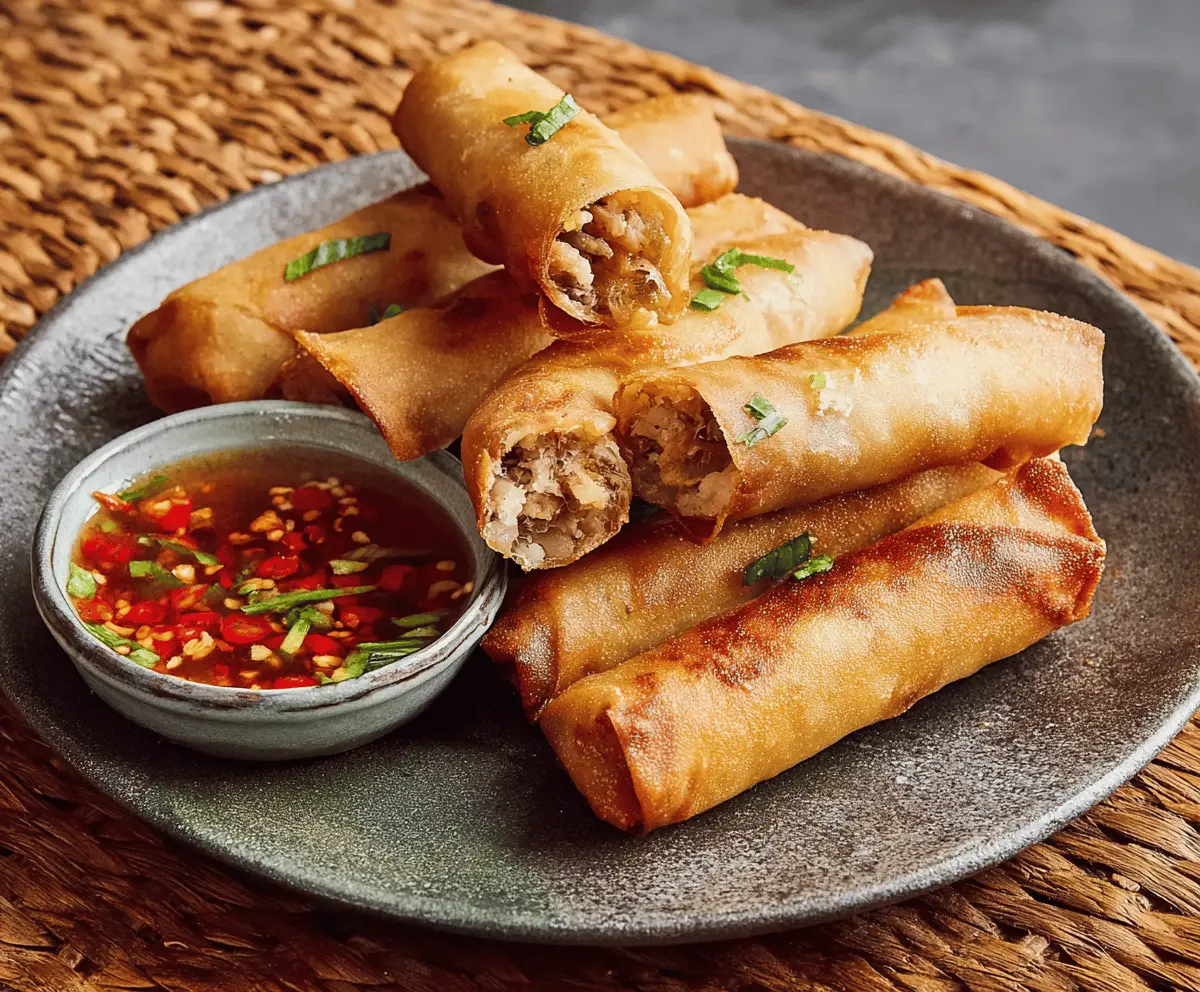
Discover the Culinary Charm of Traditional Filipino Lumpia
Few dishes capture the heart and palate quite like Filipino Lumpia. These iconic crispy spring rolls are more than just an appetizer; they are a staple at every Filipino gathering, a symbol of hospitality, and a testament to the country's rich culinary heritage. With their irresistible crunch and savory filling, it's no wonder why Filipino lumpia has charmed food lovers worldwide. If you've ever experienced the joy of biting into a perfectly golden-brown lumpia, you know the magic we're talking about.
Often hailed as the ultimate party food, traditional Filipino lumpia offers a delightful balance of textures and flavors. Each roll encases a meticulously prepared mixture of seasoned ground meat and fresh vegetables, all snugly wrapped in a paper-thin pastry skin. Deep-fried to a stunning crisp, they are typically served hot, accompanied by a sweet chili sauce or a tangy vinegar dip that perfectly complements their savory core. Whether you're a seasoned chef or a home cook eager to explore new flavors, mastering this beloved dish brings the authentic taste of the Philippines right into your kitchen.
What Makes Filipino Lumpia Irresistible?
The allure of Filipino lumpia lies in its simplicity yet profound depth of flavor and texture. It's a symphony for the senses, starting from the moment the aroma of the frying rolls fills your kitchen to the satisfying crunch with every bite.
The Perfect Harmony of Filling and Wrapper
At the heart of every great lumpia is its savory filling. Traditionally, this involves a finely minced blend of ground pork, though chicken or even beef variations are common. This meat is combined with a vibrant medley of fresh vegetables such as shredded carrots, finely chopped green beans, onions, and garlic. Some recipes also incorporate cabbage or water chestnuts for added texture and flavor. The seasoning is crucial, often featuring a blend of soy sauce, a touch of sesame oil, and various spices that imbue the mixture with an umami-rich profile that is distinctly Filipino.
Equally important is the wrapper. Authentic filipino lumpia uses paper-thin spring roll wrappers, which are essential for achieving that signature crispy, almost glass-like exterior when fried. These wrappers are incredibly delicate but remarkably durable once properly folded, creating a tight seal that keeps the filling intact and prevents oil from seeping in.
The Art of the Fry and the Dipping Experience
The transformation of a soft roll into a golden, crunchy delight happens in the hot oil. Deep-frying is the traditional method, ensuring an even, crisp texture and a beautiful golden-brown color. The key is maintaining the right oil temperature – hot enough to crisp the wrapper quickly without burning it, allowing the filling to cook through simultaneously.
What truly elevates the lumpia experience, however, is the dipping sauce. While the rolls are fantastic on their own, a good sauce provides a counterpoint that enhances every bite. Popular choices include:
- Sweet Chili Sauce: A classic pairing, offering a delightful blend of sweetness, tang, and a subtle hint of heat.
- Tangy Vinegar Dip (Sawsawan): Often a mixture of cane vinegar, garlic, and chili, providing a sharp, refreshing contrast to the rich, savory lumpia.
- Sweet and Sour Sauce: A milder option for those sensitive to heat, bringing a fruity tang.
These dips aren't just condiments; they are an integral part of the filipino lumpia tradition, allowing each diner to customize their experience.
Crafting the Perfect Filipino Lumpia at Home
The journey to creating restaurant-worthy filipino lumpia in your own kitchen is a rewarding one. While it may seem daunting at first, the process is straightforward once you get the hang of it.
Ingredient Sourcing and Preparation
Start with fresh, high-quality ingredients. For the meat, ground pork is traditional, but feel free to experiment with ground chicken or turkey for a leaner option, or even a combination. Ensure your vegetables are finely minced or shredded to ensure even cooking and a smooth texture within the roll. The fresh vegetables contribute not just flavor but also a subtle moisture that keeps the filling from drying out.
When it comes to wrappers, look for "lumpia wrappers" or "spring roll wrappers" in the frozen section of Asian grocery stores. They are thin and typically round or square. Thaw them in the refrigerator overnight or at room temperature for an hour before use.
The Art of Wrapping
Wrapping lumpia is often considered the trickiest part, but with a little practice, you'll become a master. The goal is to create a tight, compact cylinder that won't unravel during frying. Here’s a basic technique:
- Lay a wrapper flat with one corner pointing towards you (diamond shape).
- Place a spoonful of filling near the bottom corner, shaping it into a small log.
- Fold the bottom corner over the filling and tuck it in tightly.
- Fold in the left and right corners towards the center.
- Roll the wrapper upwards, away from you, forming a snug cylinder.
- Seal the top edge with a dab of water or an egg wash.
For more detailed step-by-step instructions and visual guides, be sure to check out our comprehensive guide: Master Authentic Filipino Lumpia: Crispy Spring Rolls at Home.
Frying Tips for Ultimate Crispiness
Achieving that signature crisp exterior requires careful attention to the frying process:
- Oil Temperature: Heat enough neutral oil (like vegetable or canola) in a deep pot or wok to 350-375°F (175-190°C). If the oil isn't hot enough, the lumpia will absorb too much oil and be greasy; too hot, and they'll burn before cooking through.
- Don't Overcrowd: Fry in batches to maintain oil temperature and allow even cooking.
- Drain Well: Once golden brown and crispy, remove the lumpia with a slotted spoon or tongs and place them on a wire rack lined with paper towels to drain excess oil.
Serving Suggestions and Culinary Pairings
Filipino lumpia is incredibly versatile, making it suitable for almost any dining occasion. It shines as an appetizer, a side dish, or even the star of a casual meal.
The Perfect Party Food
Lumpia's bite-sized nature and universal appeal make it an ideal choice for gatherings, potlucks, and celebrations. Arrange them on a platter with various dipping sauces, and watch them disappear! They are a fantastic conversation starter and a dish that truly brings people together.
Meal Pairings for a Filipino Feast
To create a more complete Filipino dining experience, pair your lumpia with other traditional dishes. A classic accompaniment is fluffy Garlic Fried Rice (Sinangag), which provides a comforting base. For a hearty main course, consider serving lumpia alongside stews like Caldereta (beef stew) or Menudo (pork and liver stew). The crispness of the lumpia offers a wonderful textural contrast to these rich, savory dishes.
Even as a standalone light meal, a generous plate of hot, crispy lumpia with your favorite dipping sauce is satisfying and comforting.
Mastering Storage and Freezing for Future Enjoyment
One of the best aspects of making filipino lumpia is its freezer-friendly nature, allowing you to prepare large batches in advance for future convenience.
Storing Cooked Lumpia
If you have leftover fried lumpia, allow them to cool completely to prevent sogginess. Transfer them to an airtight container or wrap them tightly in foil. They can be stored in the refrigerator for up to four days. To reheat, bake them in an oven or air fryer until crispy again.
Freezing Un-Fried Lumpia for Make-Ahead Convenience
The true magic lies in freezing un-fried lumpia. This method ensures maximum crispiness when you're ready to cook them, as they cook directly from frozen without thawing. This is a game-changer for busy households or when planning for future events.
To freeze un-fried lumpia:
- Arrange the freshly wrapped, uncooked rolls in a single layer on a baking sheet.
- Cover the baking sheet with plastic wrap to prevent freezer burn.
- Freeze for a few hours, or up to overnight, until the lumpia are solid.
- Once frozen solid, transfer the lumpia to a zip-top freezer bag or another freezer-safe container. Press out as much air as possible before sealing. For extra protection, you can wrap them in foil first.
Frozen lumpia can be stored for up to three months. When you're ready to enjoy them, simply fry them directly from frozen, adding a few extra minutes to the cooking time compared to fresh lumpia. This method guarantees perfectly crispy results every time. For more in-depth freezing strategies and tips on serving for any occasion, explore our dedicated guide: Perfect Lumpia Every Time: Freeze, Fry & Serve for Any Gathering.
Embrace the Tradition
From the bustling streets of Manila to family kitchens around the globe, Filipino lumpia remains a cherished culinary icon. Its unique blend of savory filling, incredibly crispy wrapper, and the perfect accompanying dip creates an unforgettable experience. Whether you're making them for a special occasion or simply as a treat for your family, the process of crafting these traditional spring rolls is a delightful journey into the heart of Filipino cuisine. So, roll up your sleeves, gather your ingredients, and prepare to discover why these savory and crispy appetizers have earned a permanent spot on tables worldwide.
